Enterprise AI & Automation Agency | Eplanet Soft
SEO vs SEM: Which One Should Your Business Choose?
In today's digital age, businesses often grapple with the choice between SEO (Search Engine Optimization) and SEM (Search Engine Marketing). Both strategies aim to improve online visibility, but they do so in markedly different ways. Understanding these differences can help your business decide which approach will be most beneficial. What Is SEO? How SEO Works…
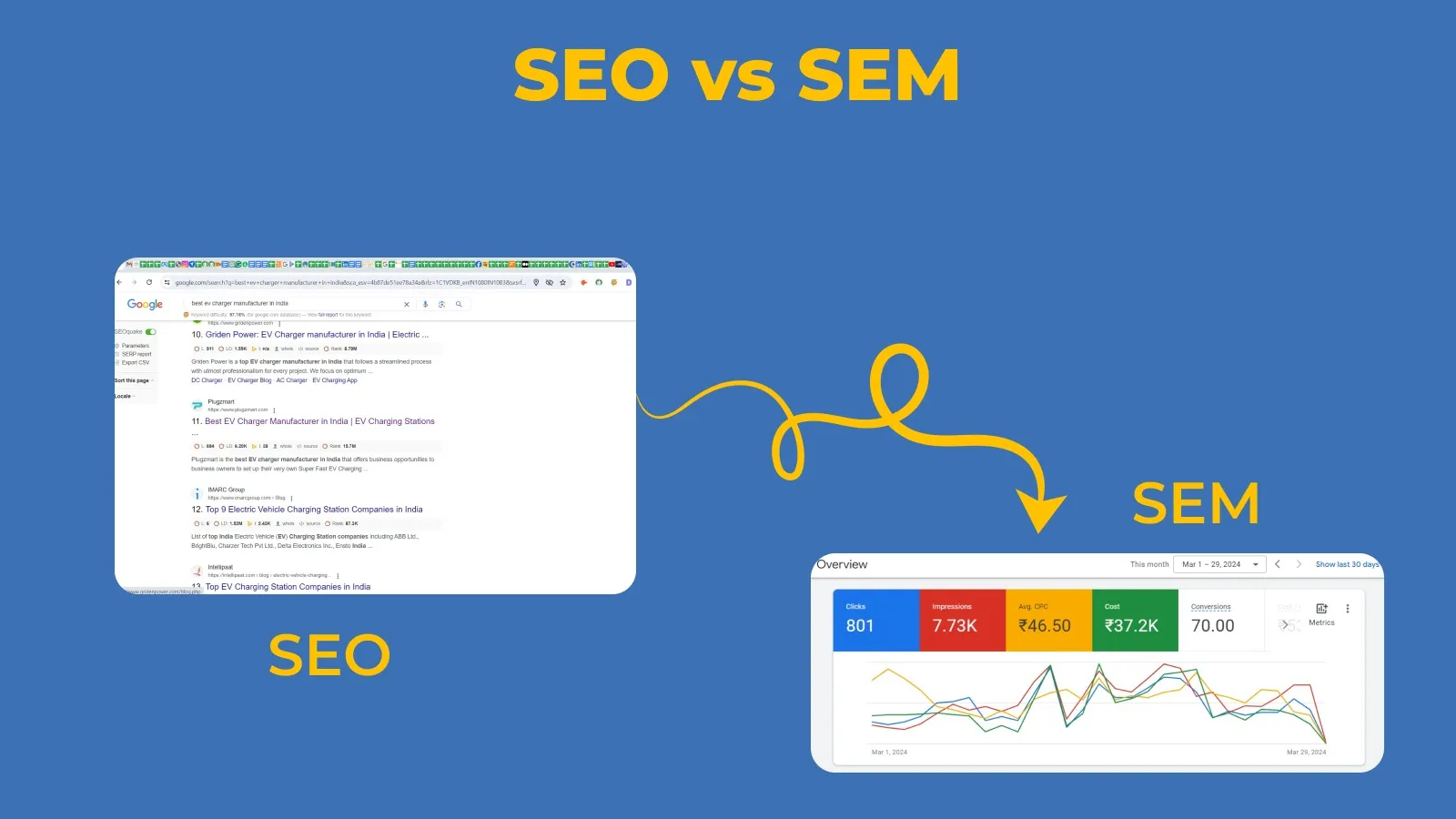
In today’s digital age, businesses often grapple with the choice between SEO (Search Engine Optimization) and SEM (Search Engine Marketing). Both strategies aim to improve online visibility, but they do so in markedly different ways. Understanding these differences can help your business decide which approach will be most beneficial.
What Is SEO?
How SEO Works
SEO is the art of enhancing a website’s visibility on search engines through organic results. It involves optimizing various elements of your website to make it more appealing to search engines like Google.
Organic Ranking Factors
The success of SEO relies on factors such as keyword usage, site speed, mobile-friendliness, and acquiring backlinks. These elements contribute to better rankings over time.
Long-term Value of Organic Traffic
The benefit of investing in SEO is the potential for a continual flow of free traffic. Once your website ranks highly, you can enjoy sustained visibility without the ongoing costs associated with paid advertising.
What Is SEM?
Paid Search Advertising Explained
SEM involves the use of paid advertising to appear at the top of search engine results. These are usually marked as advertisements, often managed through platforms like Google Ads.
Google Ads Basics
With Google Ads, businesses bid on keywords to have their ads displayed. The bid amount, coupled with ad quality, determines when and where an ad appears.
Instant Traffic Through Paid Campaigns
SEM offers the advantage of delivering instant results. Once your campaign goes live, your site can receive immediate traffic, making it ideal for short-term goals.
Key Differences Between SEO & SEM
- Cost: SEO has lower ongoing costs, whereas SEM requires continuous investment.
- Timeframe: SEO is a long-term strategy; SEM offers immediate visibility.
- Targeting: SEM allows for precise demographic targeting.
- Traffic Type: SEO drives organic traffic, while SEM attracts paid traffic.
- Long-term ROI: SEO can offer better ROI over time.
- Visibility Duration: SEM visibility ends with budget, SEO lasts.
Cost Comparison
SEO Cost vs Long-term Value
While initially slower, SEO can lead to significant long-term savings by providing continuous traffic without incrementing expenses.
SEM Cost Per Click and Budget Dependency
On the other hand, SEM involves cost per click (CPC) that requires ongoing funding, potentially becoming costly if not strategically managed.
When Each Option is More Cost-effective
For long-term solutions, SEO is more cost-effective. Businesses needing expedited results might find SEM to be the better initial choice.
Which One Is Better for Your Business?
When to Choose SEO
For businesses aiming for sustainable growth, investing in SEO is beneficial. For example, improving site design can enhance user experience, boosting long-term rankings.
When SEM is Ideal
Conversely, if your goal is instant visibility—such as during a product launch—SEM is optimal.
Why Many Businesses Combine Both
Oftentimes, combining both SEO and SEM is ideal. SEO builds your organic foundation while SEM provides immediate traffic surges, balancing short-term wins with future stability.
Conclusion
Both SEO and SEM enhance visibility, but the best choice depends on your business’s specific goals and budget. For further insights, visit our blog where we discuss additional digital marketing strategies.
Ready to Grow Your Business?
Get a free consultation from our digital marketing and development experts. Let's discuss how we can help you achieve your goals.
- No commitment required
- Detailed technical roadmap
- Customized to your infrastructure
By submitting this form, you agree to our privacy policy. · 4,000+ businesses served · 24hr response · 98% satisfaction